Beyond the Trend: 5 Surprising Reasons People Are Obsessed With Red Light Pilates

From stronger workouts to post-class glow, fitness fans are discovering why this next-generation Pilates experience is attracting attention across the wellness world.
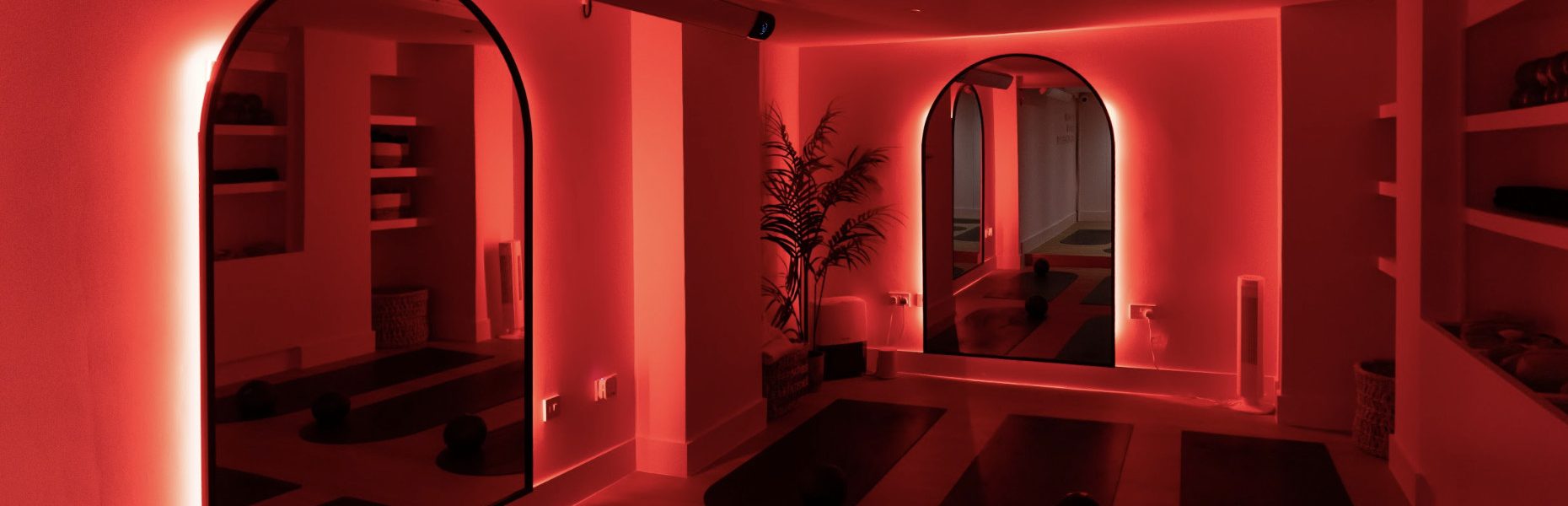
Pilates has already cemented its place as one of the UK’s most popular workouts, but a new evolution of the trend is capturing attention: Red Light Pilates. At boutique Pilates and wellness studios Studio 281, clients are swapping high-intensity workouts for a more balanced approach that combines Pilates with red light therapy built directly into specially designed mats.
Unlike infrared-heated studios, where wall-mounted panels warm the room, Studio 281’s innovative mats deliver 660nm red light and 850nm near-infrared light directly through the mat surface throughout the entire class, keeping the body in constant contact with the light while exercising.
The concept has become increasingly popular among people looking to support strength, recovery and overall wellbeing in a single workout. According to Georgia Testa, founder of Studio 281, there are five reasons clients keep coming back.
1. You’ll Feel Like You’ve Worked Hard – Without Feeling Broken Afterwards
For many people, the appeal lies in being able to challenge their bodies without the prolonged soreness often associated with more intense forms of exercise. “People are looking for smarter ways to exercise,” says Testa. “They want to feel strong and energised after a workout, not completely wiped out.” By combining low-impact Pilates with red light therapy, clients can focus on building strength, mobility and endurance while making recovery part of the experience.
2. It Could Become Your New Favourite Stress Reliever
While classes are designed to strengthen and tone, many clients report that the experience feels as good for their minds as it does for their bodies. “We live in a world where we’re constantly switched on,” says Testa. “Many clients tell us they leave class feeling mentally lighter and more balanced, as well as physically stronger.” The immersive environment encourages participants to slow down, focus on movement and carve out dedicated time for themselves.
3. Your Skin Might Thank You, Too
Most people are already familiar with red light therapy through the rise of LED face masks, but full-body exposure is a newer concept. “Many clients notice a healthy post-workout glow,” says Testa. “It’s one of those unexpected benefits people often comment on after class.” Red light therapy has become increasingly popular within the beauty and wellness sectors, particularly among those looking to support healthy-looking skin and collagen production as part of their overall self-care routine.
4. It Makes Recovery Part of the Workout
Traditionally, recovery happens after exercise. Red Light Pilates flips that idea on its head. The red light mats used at Studio 281 keep the body in direct contact with both red and near-infrared light throughout the session, providing continuous exposure while participants move. “People often think recovery is something they need to do after they’ve exercised,” explains Testa. “We’re seeing growing interest in approaches that integrate recovery and wellbeing into the workout itself.”
5. It’s Fitness for the Long Game
Perhaps the biggest reason behind the trend’s popularity is that it aligns with a wider shift in how people think about health. Rather than chasing extreme fitness challenges, more consumers are prioritising movement they can sustain for years. “People aren’t just exercising for summer anymore,” says Testa. “They’re thinking about how they want to move, feel and age in the future. Pilates, recovery and longevity have become much bigger conversations in wellness, and that’s exactly where Red Light Pilates fits.”
As wellness consumers continue searching for ways to support both performance and recovery, Red Light Pilates looks set to become one of the sector’s most talked-about innovations.