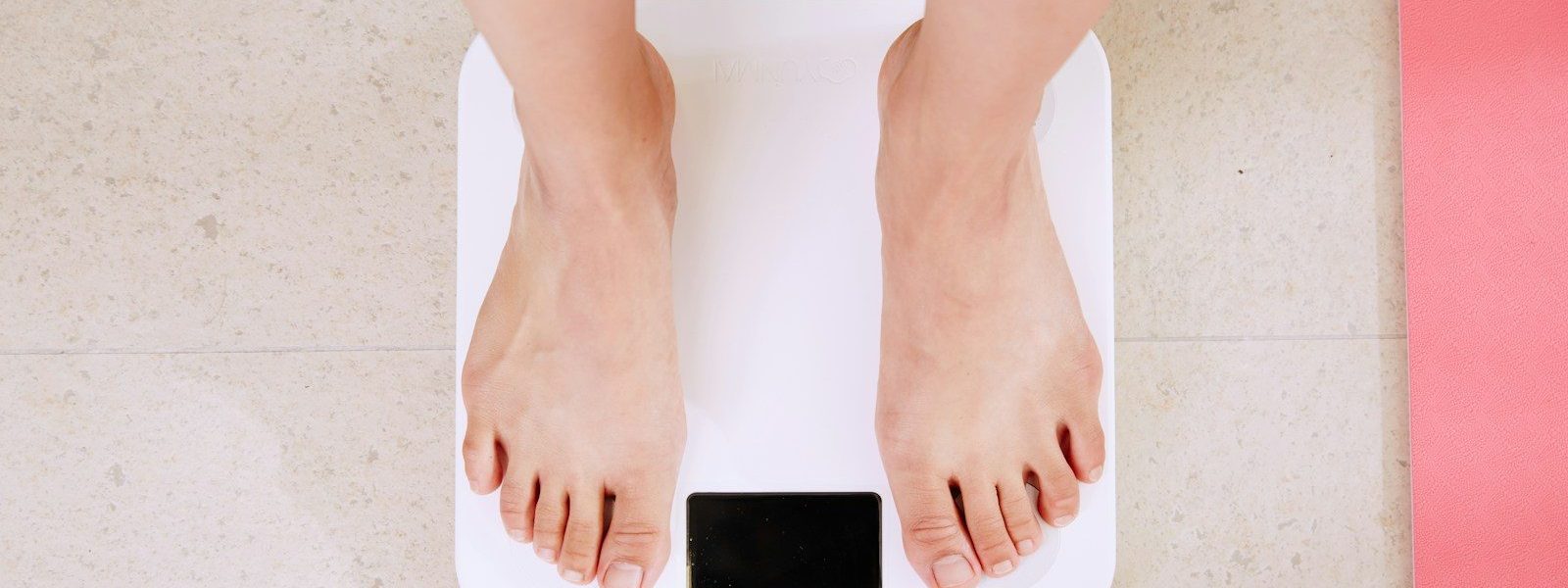
300% increase in menopausal female patients seeking weight loss products Here’s what you need to know about taking them during the menopause

Most women will experience menopause – or perimenopause – between the ages of 45 and 55 (though for some it can start earlier). The most common symptoms include changes in the menstrual cycle, hot flushes, insomnia, difficulty concentrating, muscle aches, and weight gain.
Around half of women gain weight during menopause – and with over 6,000 monthly Google searches for ‘menopause weight gain’ in the UK, it’s clearly a concern for many. And they’re prepared to do something about it.
Amid the surging popularity for weight loss medications, Oxford Online Pharmacy has seen a 300% increase in demand from women of menopausal age in the past year.
What might be driving this demand?
Weight gain is most common and noticeable in the perimenopause stage when menstrual cycles begin changing. Weight gain and other symptoms can start up to 10 years before the onset of menopause due to hormonal fluctuations.
The decline in production of key hormones like oestrogen and progesterone can trigger metabolic changes that lead to fewer calories being burned, increased cravings, and weight gain.
You can gain an estimated 1.5kg of weight per year on average during the perimenopause transition, with weight gain noticeable for most in the abdomen and upper body.
These changes are natural, but they can become deeply frustrating and upsetting, especially if diet and lifestyle habits haven’t changed.
New research suggests that weight loss medications, particularly GLP-1 receptor agonists (e.g., Wegovy and Mounjaro), could be effective in treating pre-, post-, and currently menopausal women. With menopausal women tackling appetite changes, cravings, poor sleep, and stress, which can lead to weight gain, these medicines can give them the tools to create and maintain healthier habits.
But it’s not a quick fix.
Here are some important things to know about taking weight loss medications during the menopause:
#1 Building and maintaining muscle and bone strength is key
Muscle and bone loss are accelerated during menopause due to declining oestrogen, which is inevitably replaced with increased fat mass. But weight loss medications can also cause bone and muscle loss.
Anyone taking them should take extra precautions. Focus on maintaining muscle strength via strength training at least twice a week. Regular swimming or walking can also be beneficial for maintaining muscle tone and overall mobility.
It’s also important to consume adequate protein and calories to avoid under-fuelling and preserve bone mass.
#2 Some side effects may overlap
The menopause presents several common side effects like nausea, reflux, constipation/diarrhoea, and fatigue. Those on weight loss medication may experience similar side effects, which may affect your willingness to continue with the treatment.
Know that these are all perfectly manageable. Eating small, frequent, nutritious, high-fibre meals, prioritising hydration, and trying remedies to prevent things like sickness or reflux can help to ease overlapping symptoms.
#3 Research is good, self-experimentation is not
Some early evidence indicates that women using hormone replacement therapy medication (HRT) may respond well to GLP-1 treatment.
While this is a step in the right direction, more studies are needed. Don’t start/stop HRT just to influence weight-loss outcomes; discuss with a clinician first.