
Why your recovery starts in your gut, according to leading plastic surgeon

Consultant Plastic and Cosmetic Surgeon Dr Aftab Siddiqui explains why looking after your gut health and optimising nutritional health before and after having plastic surgery could play an important role in how your body responds to recovery.
“I honestly believe that your results are down to 50% the surgeon you choose and 50% your recovery”, says Consultant Plastic and Cosmetic Surgeon Mr Aftab Siddiqui, FRCS (Plast) who specialises in abdominoplasty, breast procedures, trauma and reconstruction procedures.
“Patients understandably spend a lot of time thinking about the procedure itself and the results they want to achieve, but I always encourage them to think about what is happening internally, too. Surgery places a huge demand on the body, and recovery requires energy, nutrients and the right conditions for tissues to repair.
“The digestive system plays an important role in nutrient absorption, immune function and overall health. If someone is not eating well or is struggling with digestive issues, it is worth understanding why and addressing this as part of their preparation for surgery.”
Does Gut Health Matter Before Surgery?
For patients preparing for surgery, maintaining good digestive health is particularly relevant because the body needs adequate nutrients to support normal tissue repair and recovery.
“Surgical preparation doesn’t just begin at consultation”, says Dr Aftab Siddiqui. “We need to look at the patient as a whole. Are they eating enough protein? Are they getting the vitamins and minerals they need? Are there any digestive problems that could be affecting their nutritional intake?
“These are all important questions we need to think about when it comes to the entire surgical process. The gut is involved in how we process and absorb nutrients, and those nutrients are essential for normal healing processes. We need to make sure the body is as well prepared as possible before putting it through the demands of an operation.”
What About After the Procedure?
Following surgery, it is quite common for patients to be prescribed antibiotics to prevent or treat infection. While these are important when clinically indicated, antibiotics can also disrupt the balance of bacteria in the gut.
“Antibiotics can be an important part of surgical care, but we, as clinicians, also need to recognise that they can affect the gut microbiome and in turn, the recovery”, says Dr Aftab Siddiqui. “Poor gut health can prohibit correct nutrient absorption, stagnating correct recovery and can cause digestive issues such as constipation, bloating or diarrhea.
“One of the biggest nutritional mistakes I see is patients concentrating so much on weight management that they forget to eat enough protein. Following surgery, the body is working hard to repair tissues, and protein provides the building blocks it needs. I encourage patients to continue prioritising protein throughout recovery, rather than returning to restrictive diets too quickly.
“Fibre is an important part of maintaining digestive health because it supports bowel regularity and helps nourish beneficial gut bacteria. I encourage patients to maintain a varied diet during recovery, but it is important to reintroduce foods gradually, particularly after abdominal surgery, and follow any dietary instructions provided by their clinical team.”
The Role of Inflammation
The gut microbiome interacts with the immune system and helps regulate aspects of the body’s inflammatory response. Surgery itself triggers a normal inflammatory response as part of the healing process.
“Inflammation is a normal part of the body’s response to surgery and is necessary for the healing process”, says Dr Aftab Siddiqui. “The gut microbiome also plays a role in regulating immune activity and inflammatory responses.
“Rather than trying to eliminate inflammation, the aim should be to support the body’s natural recovery processes through good nutrition, adequate rest, hydration and following the post-operative care plan. Patients should see surgery as a journey rather than a single appointment. What you do in the weeks before your procedure, how you look after yourself afterwards and the support you receive throughout that process all matter.
“Patients should look at the journey as not just preparing for an operation but preparing their bodies for recovery. Looking after your gut, eating enough protein, addressing deficiencies and following a structured nutritional plan are all sensible parts of that preparation.
“The best approach is always an individual one, guided by your surgeon and clinical team.”
Best product recommendations:
Biosensitive’s Food Intolerance Test: £125
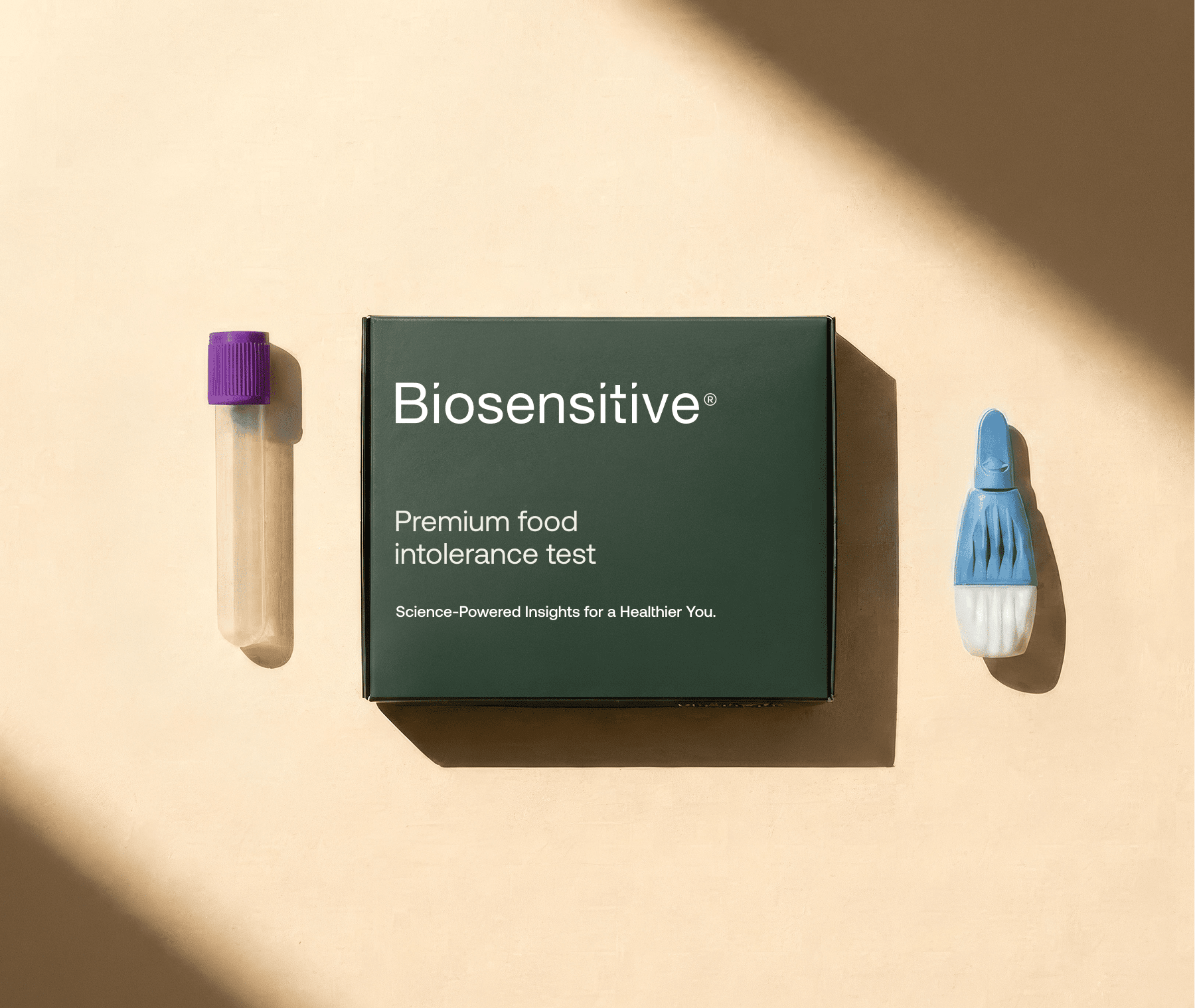 Biosensitive® Premium Food Sensitivity Test is a cutting-edge food sensitivity test that helps you understand how your body responds to up to over 200 foods and drinks. Using advanced microarray technology, our lab-based test measures IgG antibody levels from just a few drops of blood — offering precise, easy-to-understand results that support personalised dietary choices. Whether you’re dealing with bloating, fatigue, or unexplained symptoms, Biosensitive® provides the clarity you need to make informed decisions about what you eat. Trusted by healthcare professionals and designed with you in mind, Biosensitive® turns insights into action for better health and wellbeing.
Epetōme’s synbiotic duo cap for gut health by Em the Nutritionist: RRP £54.99 for 1 month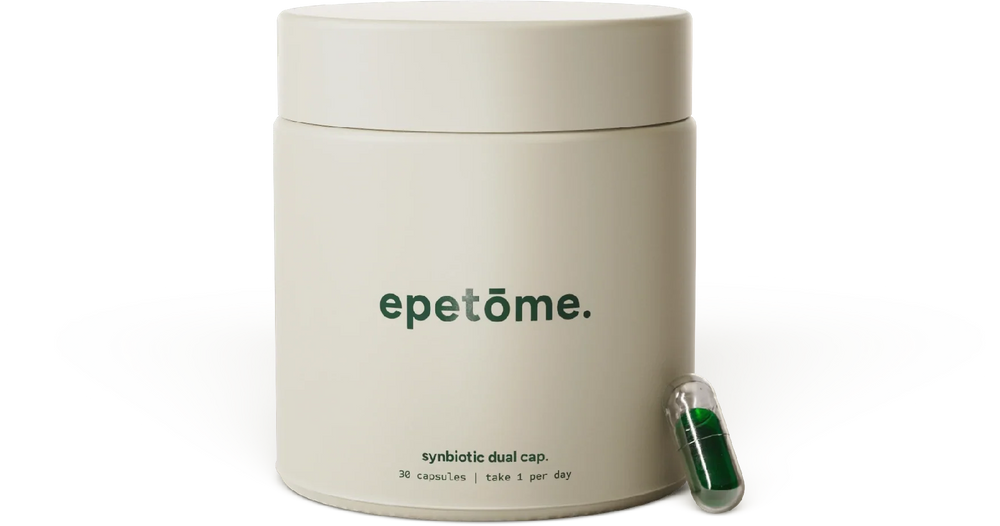
- 30x more effective than a standard capsule, its unique capsule-in-capsule design ensures targeted delivery of ingredients within the gut, where the microbiome thrives.
- Delivers 50 billion bacteria to the gut microbiome
- Backed by science-led nutrition
- Also contains Vitamin D3, Biotin and Zinc
- Designed for convenience: One capsule, just once a day.


