Doing Sober October? Don’t judge your skin after seven days, says beauty expert

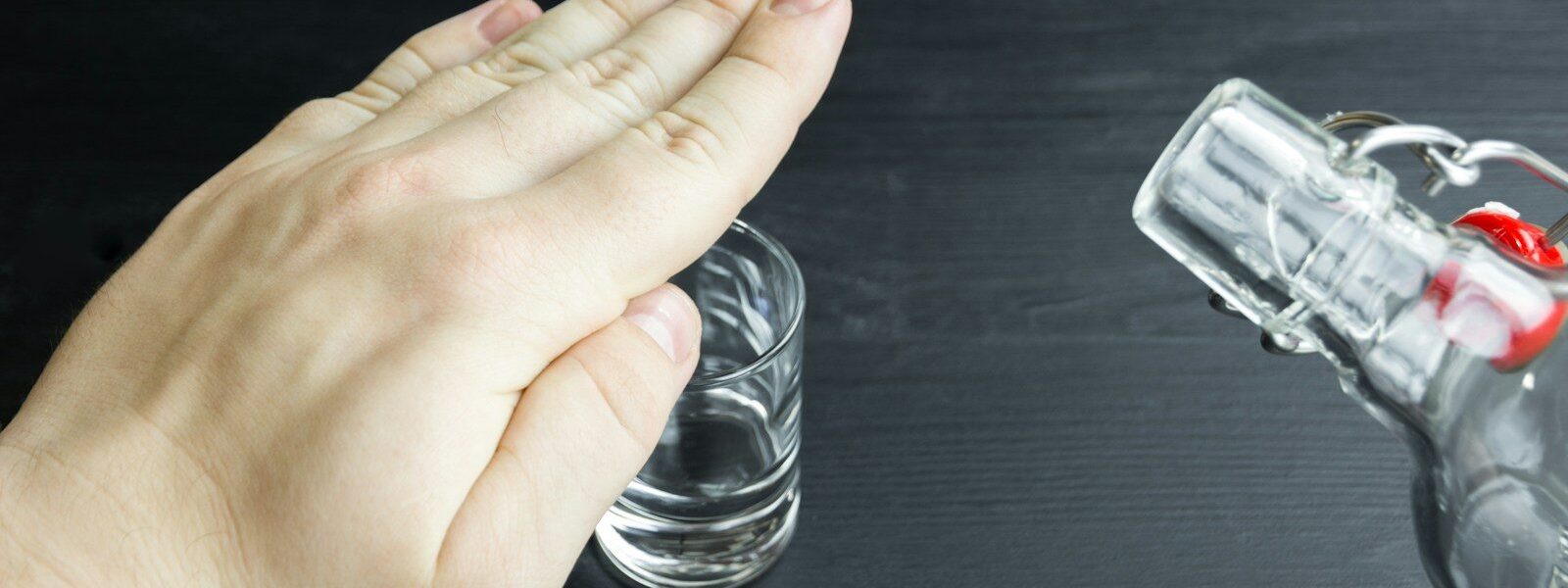
People taking part in Sober October are being encouraged to look beyond the first week when assessing changes to their skin, rather than expecting an overnight transformation.
Reducing alcohol can help skin hydration and remove a common flushing trigger for some people. However, a month without drinking cannot promise clear skin, erase wrinkles or produce a noticeably thicker head of hair.
Danielle Louise, hair and beauty expert on the Fresha app, the world’s leading AI-powered booking platform for beauty and wellness, says setting realistic expectations can help people avoid giving up on good habits or overloading their skin with products when results are not immediate.
“People can start Sober October expecting to look noticeably different by the following weekend,” says Danielle. “If they still have a spot, dry patches or tired-looking skin after seven days, it is easy to feel disappointed.
Your skin is affected by more than what you drink. You can make a positive change and still have an ordinary bad skin day. The first week should not become a deadline for looking better.”
Skin may feel less dehydrated
Alcohol can contribute to dehydration, which can leave skin looking dull. Taking a break may help improve hydration, although the difference will depend on someone’s usual drinking habits and other factors affecting their skin.
“The change you notice might be quite subtle,” says Danielle. “Pay attention to how comfortable your skin feels, rather than expecting a completely different face in the mirror.
Keep drinking water regularly and using a moisturiser that suits your skin. Giving up alcohol does not replace everyday skincare, and drinking extra water is not a substitute for moisturising dry skin.”
There could be fewer episodes of alcohol-triggered redness
For people who find their cheeks flush after drinking, Sober October offers an opportunity to see whether avoiding alcohol reduces those episodes. Alcohol is also a recognised rosacea trigger for some people, although triggers vary and avoiding it does not cure the condition.
“If you regularly notice a hot, flushed face after wine or another alcoholic drink, keep a simple note of whether that changes during October,” says Danielle.
Look for your own pattern. Someone else’s before-and-after photograph cannot tell you how your skin will respond. Persistent redness or discomfort deserves proper advice, even if you have stopped drinking.”
Better sleep could be another benefit
Although alcohol can make people feel sleepy, it can disrupt sleep quality. Taking a break may help people sleep better and feel more rested, but improvements are not necessarily immediate.
“Notice how you feel in the morning as well as how you look,” says Danielle. “A more consistent bedtime and remembering to remove your make-up are useful habits to build alongside your alcohol-free month.
Try not to turn October into a daily inspection of every line and dark circle. There are benefits that a bathroom selfie will not capture.”
Don’t panic if you still have spots after a week
Danielle advises against responding to a disappointing first week by adding several new skincare products at once.
“A spot appearing on day seven does not tell you that giving up alcohol has failed, and you should not assume it is your skin ‘pushing out toxins’ either,” she says.
Keep your routine manageable. If you change your cleanser, introduce an exfoliating acid and start a retinol at the same time, it becomes much harder to work out what your skin is responding to.
If your skin feels sore or irritated, trying to scrub your way to a glow can make matters worse.”
Gentle cleansing, fragrance-free moisturiser and suitable sun protection remain useful foundations. Persistent or worsening skin symptoms should be assessed rather than dismissed as part of a supposed detox.
Hair needs a longer view
Any potential hair benefit should be understood as indirect. If taking a break from alcohol helps someone maintain regular, balanced meals, that can support adequate nutrition. Too little protein or iron can contribute to hair loss, but stopping alcohol alone is not an established treatment for thinning hair.
“Use Sober October as an opportunity to look after your hair consistently, but be wary of promises that it will become thicker in 30 days,” says Danielle.
Your existing lengths still need gentle handling and conditioning. Giving up wine will not mend split ends or reverse damage from repeated bleaching and heat styling.”
Hair shedding also has a delayed timeline. Some forms of temporary shedding can begin around three months after a trigger, such as illness or significant stress, and recovery in volume can take many months. Hair falling out during October therefore should not automatically be blamed on a recent change in drinking habits.
“If you notice sudden, patchy or persistent hair loss, speak to your GP rather than waiting for the challenge to finish or buying supplements without knowing the cause,” Danielle adds.
Make the month easier on your skin and hair
Danielle recommends keeping the supporting routine simple:
- Use a gentle cleanser and moisturise regularly, particularly if skin feels dry.
- Protect exposed skin with broad-spectrum SPF 30 or higher.
- Condition after washing your hair and reduce repeated heat styling.
- Eat regular, balanced meals rather than combining the month with a restrictive diet.
- If you want to track visible changes, take a photograph at the start and end in the same lighting, without filters. Treat it as a personal record, not proof that alcohol caused every difference.
These habits support routine skin and hair care, regardless of whether someone notices a visible change during October.
“The aim should be to finish the month with habits you can keep,” says Danielle. “You do not need flawless skin by Halloween for taking a break to have been worthwhile.”