Why hay fever is quietly wrecking Ireland’s sleep, expert warns

One in four Irish adults suffers from hay fever, and over three-quarters (76%) say symptoms disrupt daily life
· Nervous system expert warns hay fever may be an overlooked driver of poor sleep quality and stress levels across Ireland
· Nervous system regulation and vagus nerve support can help break the sleep–stress cycle
As Ireland enters peak pollen season, experts warn that hay fever may be doing far more harm than just sneezing and itchy eyes. Instead, it is increasingly being linked to disrupted sleep, next-day fatigue and elevated stress levels.
Analysis of search behaviour in Ireland shows concern is rising quickly, with searches for hay fever up by 120% in the past week, signalling we’ve hit a peak allergy period.
With recent reports warning that hay fever sufferers may now put up with symptoms for up to two weeks longer than they would have done in the 1990s, experts at Nurosym are warning that this year’s hay fever season may be compounding Ireland’s growing sleep and stress problems.
While hay fever is often viewed as a mild inconvenience, in Ireland, the reality is much worse. Ireland’s grass pollen season begins the day after St Patrick’s Day and runs until the end of August, making it one of the longest grass pollen seasons in the world and affecting about one in four Irish adults.
Nervous system expert Dr Elisabetta Burchi, Head of Research at Nurosym , warns that the impact of Ireland’s pollen bomb goes beyond physical discomfort and actually extends into affecting the nervous system due to poor sleep and the heightened stress that follows, creating a sleep-stress cycle.
Hay fever symptoms are well known to significantly interfere with sleep quality. Nasal congestion and heightened inflammation markers cause frequent night time awakenings and leave many tossing and turning.
“When pollen is inhaled by individuals who are sensitised to it, the immune system mistakenly identifies it as a threat and triggers an allergic response. This leads to the release of inflammatory chemicals such as histamine, which can cause symptoms including sneezing, runny nose, sinus congestion, itchy and swollen eyes and pressure-related headaches. Collectively, these symptoms can significantly disrupt sleep and contribute to daytime fatigue, affecting concentration, productivity, mood, and overall quality of life.” says Dr Elisabetta Burchi, Clinical Psychiatrist and Head of Research at Nurosym.
Based on Ireland’s population, an estimated 800,000 adults are expected to be living with undiagnosed sleep disorders and insomnia disorder is considered one of the most common mental health conditions in Ireland, affecting approximately 15% of adults. In their own research, Nurosym discovered that around 30% of adults in Ireland experience sleep difficulties regularly, while almost nine in ten (90%) report struggling with sleep at some point in their lives.
Adding hay fever-related sleep disruption into an already widespread sleep crisis, therefore, may only be placing further strain on the nation’s overall health and well-being.
According to Dr Elisabetta Burchi, “Poor sleep is both a consequence and a driver of chronic stress and poor health.”
Nearly half (48%) of people in Ireland say a lack of sleep is contributing to their stress levels, creating a cycle where poor sleep also becomes the most common physical symptom of stress, with almost three quarters (68%) also reporting poor sleep as a related symptom.
Dr Burchi continues, “When hay fever symptoms repeatedly disrupt sleep, the body’s stress response system becomes inappropriately activated, which can affect mood, cognitive performance, and emotional regulation, particularly in individuals already experiencing high baseline stress.”
“Throughout the allergy season, many people can become caught in a cycle where allergic inflammation disrupts sleep, poor sleep increases stress sensitivity, and heightened stress amplifies the burden of symptoms. This ongoing interaction can leave individuals feeling more fatigued, less resilient, and less able to function at their best during the day.”
How can regulating the nervous system help?
As awareness grows around the link between hay fever, poor sleep and the body’s stress response, more attention is turning to ways people can better support their overall wellbeing. While medication remains a common option for many hay fever sufferers, another approach gaining increasing attention is vagus nerve stimulation.
The vagus nerve plays an important role in regulating the body’s stress response, while also influencing mood, cognitive function and inflammation levels throughout the body. When hay fever strikes, inflammation increases throughout the body, triggered by an immune response to the pollen allergen.
The vagus nerve acts as the body’s communication highway, linking the brain to vital organs and controlling essential functions like heart rate, digestion, and inflammation response. One area attracting growing attention is vagus nerve stimulation (VNS), a non-invasive approach designed to support autonomic nervous system balance.
According to Dr Burchi, “The autonomic nervous system, particularly the vagus nerve, plays a key role in regulating the balance between stress response and recovery. Supporting our vagal tone may help regulate inflammatory response, support recovery from sleep disruption, and improve overall resilience, all factors particularly relevant to seasonal allergy sufferers experiencing elevated stress and fatigue.”
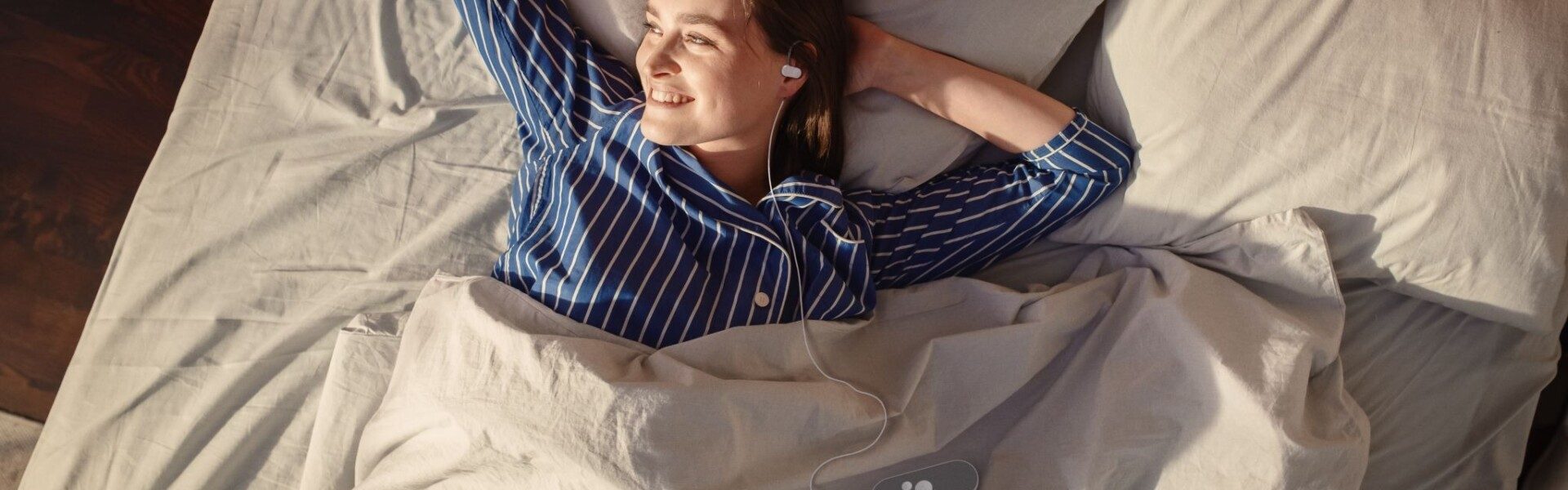
Previously limited to clinical settings, advances in wearable neurotechnology such as Nurosym have made non-invasive vagus nerve stimulation more accessible for at-home use.
Backed by more than 60 clinical studies, Nurosym is currently the most studied auricular vagus nerve stimulation device available, with no serious adverse effects reported to date. Clinical findings show up to a 35% reduction in anxiety, 48% reduction in fatigue, 31% improvement in sleep quality and 32% increase in memory recall.
Dr Burchi commented: “Non-invasive vagus nerve stimulation is an emerging tool that may support recovery processes by enhancing parasympathetic activity. While it is not a treatment for allergies, it may help support the body’s ability to recover from the downstream effects of sleep disruption and stress dysregulation.”
Nurosym is supported by published clinical research exploring its effects on stress, fatigue and autonomic regulation, though it is not intended as a substitute for medical allergy treatments.
Featured photo credit: Parasym