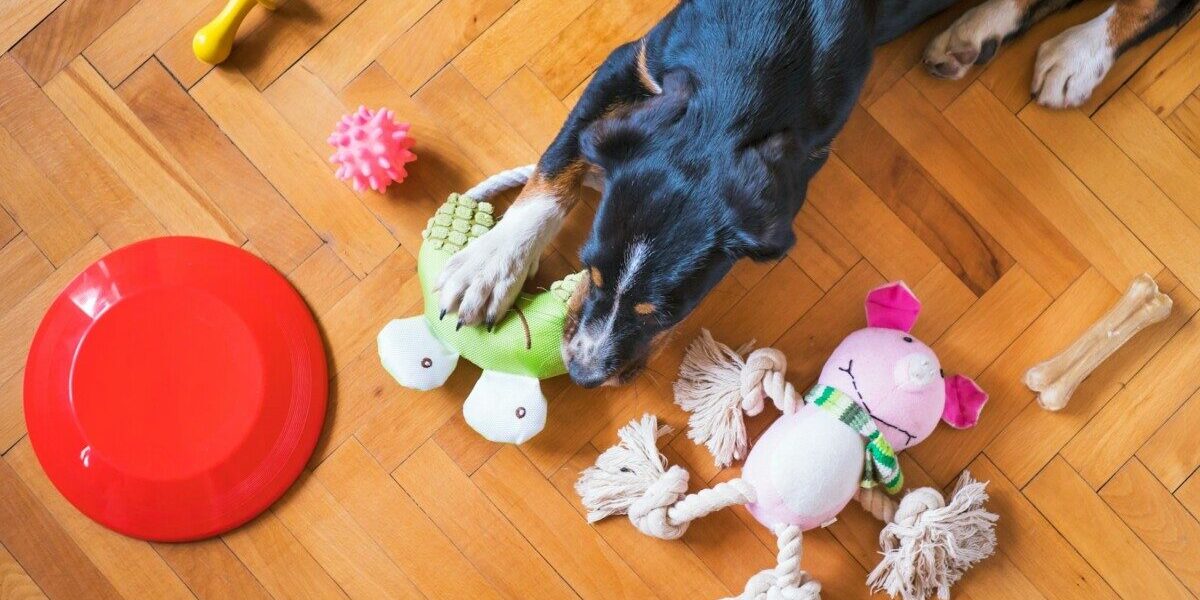

If you’ve ever tripped over a mountain of squeaky toys at 2am or found yourself wading through a sea of half-chewed tennis balls, you know the truth: pet clutter is real. Our furry companions have a way of taking over our living spaces, one rogue chew toy at a time.
Streamlining your dog’s belongings isn’t just about reclaiming your living room; it also keeps your pet safer and makes their favourite items more accessible. Here is a step-by-step guide to clearing out the canine chaos and creating an organised system that works for both of you.
Step 1: The Great Toy Audit
Before buying fancy new storage bins, you need to know what you’re actually dealing with. Gather every single dog toy from around the house, under the couch, and out in the yard, and pile them in one spot.
Now, ruthlessly categorise them into four piles:
- Keep: Toys your dog actively plays with that are still in good condition.
- Donate: Gently used toys that your dog ignored but another pup would love (check with local shelters first for their donation rules).
- Trash: Anything torn to shreds, missing stuffing, or posing a choking hazard. If a plastic chew toy has sharp, jagged edges from heavy gnawing, toss it.
- Rotate: Toys that are still great but don’t need to be out all at once.
Step 2: Clean and Sanitize
Once you’ve narrowed down the “Keep” pile, give them a deep clean. Plush toys can usually go into the washing machine on a gentle cycle inside a pillowcase (use a pet-safe, scent-free detergent). Hard rubber and plastic toys can be scrubbed in the sink with warm water and mild dish soap. Ensure everything is completely dry before putting it away to prevent mould.
Step 3: Implement a Toy Rotation System
Dogs, like children, get bored with the same choices every day. Instead of leaving twenty toys on the floor, leave out three to five. Put the rest in a ‘Rotate’ bin hidden away in a closet. Every week, swap a few out. This makes “old” toys feel brand new again and drastically cuts down on daily clutter.
Step 4: Establish Designated Pet Zones
For the items left in rotation, use open-top, low-profile baskets made of canvas or plastic. This allows your dog to safely pick out their own toys without you having to dump the whole bin.
For non-toy items, create a dedicated launchpad near the front door. Use hooks for leashes and harnesses, a small drawer or basket for poop bags, towels for muddy paws, and dog sunscreen.
Step 5: Consider Self-Storage for Bulk and Seasonal Gear
Sometimes, the clutter isn’t just toys; it’s the oversized, seasonal, or transition gear that eats up your valuable closet space. This is where a self-storage unit can be a game-changer.
Think about the items you only use a few times a year:
- Bulky winter dog coats and high-visibility rain gear.
- Extra-large travel crates, car ramps, or pet strollers.
- Agility training equipment or portable dog pools used only in summer.
- Bulk purchases of pee pads, blankets, or extra food bins.
Using a small, climate-controlled self-storage unit keeps these bulky items protected from moisture and pests without sacrificing your home’s precious square footage. Magenta Storage provides a range of personal self-storage units perfect for keeping your pets’ toys clean and tidy.
A clean pet zone takes only a few minutes to maintain once the system is in place. Do a quick 60-second sweep every evening to toss rogue toys back into their designated basket. By setting boundaries on the clutter, you’ll enjoy a cleaner home, and your dog will appreciate their curated collection even more!