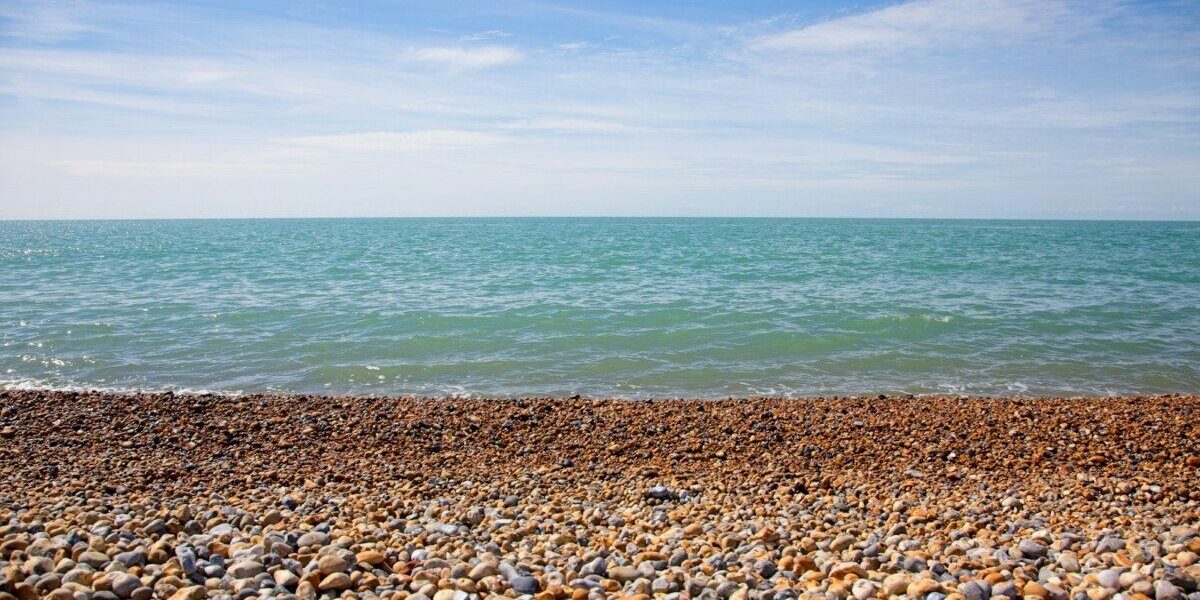
The innocent beach habit that could get you fined up to £1,000 this summer

With a record-breaking heatwave drawing millions to the coast, experts are warning that one of Britain’s best-loved seaside habits is actually against the law
As a record-breaking heatwave sends Brits flocking to the coast this week, holidaymakers are being warned that one of the most innocent seaside pleasures could land them with a fine of up to £1,000.
Scooping up pretty shells, slipping a smooth pebble into your pocket or filling a jar with sand feels completely harmless. But under the Coast Protection Act 1949, removing natural materials, including pebbles, shells, sand and driftwood, from the seashore can actually be illegal, and the law makes no exception for small amounts.
It matters because of just how many of us are doing it. Around 270 million recreational visits are made to the English coast every year, including more than 170 million trips to beaches, and over 70 million seaside day trips were made across Great Britain in 2023. With temperatures soaring this week, those numbers are climbing fast, and if even a fraction of visitors pocket a souvenir, the impact adds up.
It is not just a forgotten rule, either. Councils have the power to enforce it locally, and some are actively cracking down. In 2024, Cumberland Council warned beachgoers in Cumbria they risked a £1,000 fine for taking pebbles or shells, as part of a climate and nature strategy. And in 2018, a tourist was ordered to drive all the way back to Crackington Haven in Cornwall to return a bag of pebbles, or face prosecution. Even Stacey Solomon once joked she could be “arrested” after collecting pebbles on holiday, before promising to put them back.
Why such a strict rule?
It may sound heavy-handed over a few shells, but there is real science behind it. Pebbles, shells and sand act as a natural sea defence, absorbing the energy of the waves and shielding the coastline from erosion, something that matters more than ever as climate change and rising seas pile pressure on Britain’s beaches.
Luke Clarke, spokesperson for natural stone experts Britannia Stone, said: “As stone specialists, we understand better than most that a pebble is never just a pebble. The stones and shingle on a beach have been shaped and sorted by the sea over thousands of years, and together they form one of the most effective natural barriers there is against the waves.
“Stone is remarkably good at absorbing and dissipating energy, which is exactly why a shingle beach protects the land behind it. Strip enough of it away and you weaken that defence, leaving the coast more exposed to erosion and flooding.
“So while taking a single pebble feels harmless, those stones are doing a serious job right where they are. If you love the look of natural stone, buy it from a proper supplier for your home or garden, but leave the beach’s stones on the beach, because there they are protecting all of us.”
Enjoy the beach, leave it as you found it