
Dental technology has evolved at an unprecedented rate over the past decade, prompting many in London and across the UK to rethink how they approach oral health and cosmetic treatments. As improvements continue to unfold, patients are finding more choices than ever before, with cutting-edge tools that deliver not only faster results but also more accurate outcomes. Dentists in the capital are embracing these technologies to provide patients with personalised care plans that address everything from improving aesthetics to ensuring long-term oral health.
According to the leading London cosmetic dentist Dr. Sahil Patel of Marylebone Smile Clinic: “Advanced imaging and scanning devices revolutionise how we plan and perform restorative treatments. They allow us to understand each patient’s unique anatomy and craft precise results that last. For those interested in exploring cosmetic dentistry in London as part of their journey, advanced scanning technologies can help ensure better predictability in treatment outcomes while enhancing the overall experience.” This professional insight highlights how crucial new systems have become in elevating both the patient’s sense of comfort and the dentist’s ability to create an optimal smile. It is no surprise that more individuals are visiting a cosmetic dentist london clinic to see how these innovations might serve their needs.
The Rise of Digital Imaging and Scanning
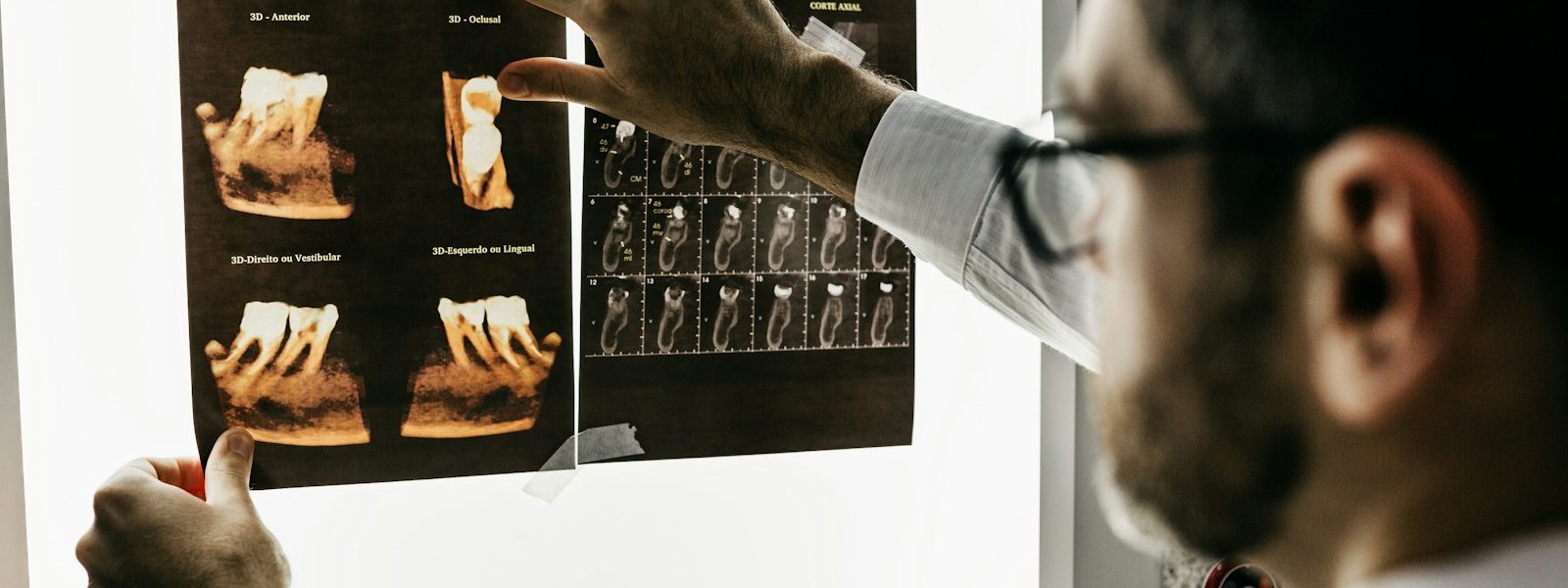
One of the most significant breakthroughs in dental technology lies in the way oral health specialists now diagnose and treat patients. The days of relying solely on traditional x-rays and physical impressions are gradually giving way to state-of-the-art digital imaging systems. These newer methods allow dentists to view high-resolution, three-dimensional renderings of teeth and surrounding bone structures within minutes. In turn, this offers an almost immediate analysis of potential issues, making the diagnostic process far more reliable.
Digital imaging also reduces exposure to radiation and minimises the need for retakes. Older machines often generated images with varying clarity, but modern systems ensure crisp, detailed visuals that help identify small cracks or cavities. By spotting these potential problems earlier, dentists can propose less invasive treatments, often preventing the need for larger restorations later on. Even routine check-ups can now spot subtle shifts in tooth alignment, for instance, allowing orthodontic interventions at precisely the right time.
In cosmetic dentistry, precise imaging plays an even bigger role. When a specialist aims to enhance a patient’s smile, every millimetre counts. Using digital scans, it is now possible to preview a patient’s potential results before any procedure begins. This means individuals can collaborate with their dentist to decide on the most flattering shape, size, and alignment of their teeth, informed by an accurate visual model. From custom veneers to complex restorative procedures, the improved accuracy from digital imaging has become an indispensable resource in the creation of beautiful, long-lasting smiles.
CAD/CAM and 3D Printing in Dentistry
Another transformative leap forward is the adoption of Computer-Aided Design (CAD) and Computer-Aided Manufacturing (CAM) tools. Their influence can be seen in everything from designing dental crowns and bridges to producing clear aligners tailored to each patient’s specific measurements. The technology streamlines the process by utilising digital impressions instead of the messy, putty-like materials once so common. Instead of waiting weeks for a dental laboratory to create a prosthesis, many modern clinics can fabricate custom restorations onsite, sometimes within a single day.
3D printing technologies in dentistry have accelerated this progression. Where laboratories once relied on carved wax or hand-sculpted models, the new approach relies on scanning software to create exact digital files. These files guide a 3D printer to build restorations layer by layer, using resins or ceramics scientifically formulated for strength and safety. The ability to produce accurate models so quickly reduces the back-and-forth between dental office and lab. Any necessary adjustments can be made to the digital file immediately, shortening treatment times and improving patient satisfaction.
When it comes to cosmetic applications, these technologies enable more consistency. If a patient chooses porcelain veneers, for instance, the dentist can design them in collaboration with computer software that provides a realistic preview of the final look. This level of predictability builds confidence, not only for the patient but also for the dentist who can refine and fine-tune each stage. The result is a bespoke smile that aligns with the patient’s facial aesthetics, lifestyle, and personal preferences. The process exemplifies how technology is merging artistry with science, raising standards of care within the dental realm.
Laser Dentistry for Precision Treatments
Laser dentistry has steadily grown in popularity, especially for procedures such as gum contouring and soft tissue surgeries. A laser’s high-energy beam can gently remove or reshape tissue with minimal bleeding and quicker recovery times compared to scalpel-based methods. The reduced discomfort and lowered risk of infection are extremely appealing to many patients looking to enhance their smile.
These devices can target specific problem areas without disturbing healthy tissue, reducing post-operative swelling or pain. For instance, gum lifts or contouring performed with laser technology produce precise results, allowing cosmetic dentists to address symmetry issues or correct a gummy smile. Likewise, lasers are often used for treating conditions like periodontal disease by vapourising harmful bacteria, thus helping patients avoid more invasive procedures. Some forms of laser therapy can even stimulate gum tissue regeneration, aiding in recovery for those who face chronic issues.
Dentists performing laser-based treatments often praise the technology for its adaptability. From removing decayed tooth structure to addressing cosmetic concerns, lasers bring an unprecedented level of control. Combined with digital imaging, practitioners can plan each movement meticulously, ensuring the beam targets the correct area with the right intensity. This synergy of accurate diagnostics and efficient treatment technology is transforming the perception of a visit to the dentist, making it a far more comfortable and precise experience.
Teledentistry and Virtual Consultations
Advancements in telecommunications have opened up new avenues for how patients and professionals interact. Teledentistry, once a mere concept, has now gained traction as a legitimate way to consult with a dental practitioner. This approach is particularly relevant for initial consultations, routine follow-ups, and certain diagnostic processes. Patients may send images or videos of their teeth and discuss possible concerns before deciding whether to book an in-person appointment. While not a direct replacement for comprehensive examinations, virtual consultations can save considerable time, helping patients figure out whether they need urgent care or if it can wait until their next scheduled visit.
This model fosters access to oral healthcare for individuals who might otherwise struggle to attend a physical clinic. Younger patients with packed schedules, or elderly people with mobility constraints, find it more feasible to maintain consistent communication with a dentist. In some cases, advanced imaging tools used at home, combined with specialised smartphone apps, can relay data about one’s oral condition to a professional anywhere in the world. Though limitations remain, the rise of teledentistry is bound to continue, making everyday dental advice more readily available.
From a cosmetic standpoint, teledentistry lets prospective patients discuss concerns about their smile and potential enhancements before committing to a treatment plan. During these sessions, the dentist can provide an overview of what might be possible, ensuring patients feel informed and comfortable before meeting in person. It further underscores how digital platforms are reshaping the patient-practitioner relationship, offering flexibility, convenience, and swifter access to expert advice.
Artificial Intelligence in Dental Care
Artificial intelligence (AI) is rapidly permeating various areas of healthcare, and dentistry is no exception. AI-powered software can analyse digital images and identify signs of cavities, gum disease, and potential lesions with remarkable speed and accuracy. This assistance can augment a dentist’s clinical judgement, ensuring that no minor detail goes unnoticed. While the final decision remains with the professional, AI can highlight regions warranting closer inspection, ultimately reducing the margin of error and improving patient outcomes.
Within the realm of cosmetic dentistry, AI-driven design tools can simulate smile transformations with heightened realism. These programs evaluate a patient’s facial proportions, lip shape, and even skin tone, suggesting ideal tooth dimensions for a balanced appearance. The same technology can be used to monitor progression throughout treatments such as Invisalign, ensuring teeth are moving as planned. By receiving real-time feedback on alignment changes, dentists can modify or adapt procedures as needed, avoiding delays and costly reworks.
As the algorithm learns from each case, it refines its predictive power. This means future patients benefit from more precise diagnoses and better treatment planning, particularly for complex issues. While AI in dentistry is still evolving, the promise of automated diagnostics, personalised treatment suggestions, and advanced monitoring is enormous. The ultimate goal is to empower dentists to make faster, more precise decisions, combining human expertise with the relentless efficiency of machine learning.
Advanced Materials for Restorative and Cosmetic Procedures
The last few years have witnessed an array of new dental materials entering the market. Today’s patients often benefit from composite resins and ceramics that are stronger, lighter, and more lifelike than ever before. Innovations in nanotechnology have produced restorations with enhanced durability, resistance to staining, and a more natural appearance. These materials also bond better to tooth structure, reducing the risk of fractures or debonding over time.
The evolution of materials extends to orthodontics as well, with clear aligner companies introducing thermoplastic polymers designed to be more comfortable and transparent. The shift away from metal brackets reduces mouth irritation while improving aesthetics. Even for those in need of partial dentures or implants, research is focusing on materials that integrate more seamlessly with gum tissue and bone.
Biocompatibility remains a prime consideration. Hypoallergenic and metal-free options abound, minimising the risk of adverse reactions. In many cases, an advanced ceramic crown can be milled and placed in a single appointment, reducing the number of visits needed. Patients appreciate these streamlined solutions, and the heightened awareness around aesthetics has spurred ongoing research into how best to replicate the appearance of natural teeth.
The Impact on Cosmetic Dentistry
Technological strides are particularly evident in cosmetic dentistry, where patient demands for visually pleasing and healthy outcomes remain high. Individuals seeking enhancements often arrive at their first consultation armed with photographs or references that highlight their desired result. By combining advanced imaging, AI algorithms, and cutting-edge materials, dentists can produce a realistic preview of how the final smile will look. This reduces any guesswork and fosters patient trust.
Today’s cosmetic dentist london practices emphasise patient involvement, using digital mock-ups or 3D printed models to illustrate the proposed smile. This interactive element allows patients to feel more connected to their treatment plan. Whether they opt for veneers, whitening, or a full smile makeover, the synergy of technology and expertise produces consistent, predictable outcomes.
Laser technology has similarly expanded treatment possibilities, making it easier to adjust gum lines or reshape tissues without extensive postoperative discomfort. Digital scans guide the laser procedure, ensuring every pass of the beam aligns with the intended plan. Such procedures, once considered intricate and sometimes painful, are now far more accessible. It is not merely about acquiring a perfect aesthetic result; these technologies also ensure that cosmetic improvements align with functional requirements, preserving or even enhancing long-term oral health.
Innovations in Dental Implants and Regenerative Techniques
Dental implants have emerged as one of the most reliable long-term solutions for missing teeth. They blend seamlessly with natural teeth when performed by a skilled professional and maintained properly. Recent developments have taken this approach further, introducing materials and procedures that encourage faster integration with the jawbone. Surfaces coated with bioactive compounds can promote better osseointegration, leading to a stronger bond and reduced healing times.
Advances in stem cell research and tissue engineering could potentially redefine tooth replacement altogether. Some researchers and companies are looking into ways to regrow or regenerate tooth structure, offering a biological alternative to metal or ceramic implants. Although still in experimental stages, the possibility of naturally regrown teeth is compelling. If these methods become widely available, patients might see less reliance on conventional implants and more emphasis on rejuvenating existing tissue.
Several clinics are also adopting computer-guided implant placement. This technique employs detailed CT scans and software to map out the ideal depth and angle for each implant post. Surgeons can then follow these digital guidelines precisely, reducing the likelihood of complications and ensuring a stable final result. For patients, this translates into increased confidence in the procedure and a potentially shorter recovery period.
Orthodontics and Clear Aligner Progress
Orthodontics has undergone a revolution of its own. For many years, conventional metal braces represented the standard way to correct misaligned teeth. While still widely used and effective, they are no longer the only option. Clear aligners, produced through meticulous digital scans, have become a popular alternative among adults and teenagers. These transparent trays gradually shift teeth to the desired position, offering a discreet look and ease of removal for eating or cleaning.
New materials have made aligners thinner, more flexible, and less noticeable. Rather than requiring a monthly tightening session, patients typically receive a series of aligners that they switch every couple of weeks. Dentists track the progress digitally, sometimes utilising AI to predict tooth movement accurately. If adjustments are necessary, the digital file can be updated, and a revised set of aligners fabricated. This level of customisation is often seen as a key advantage over traditional braces, particularly for cosmetic cases.
Although some cases still call for traditional orthodontic treatment, the digital approach is gaining ground for minor to moderate misalignments. Clear aligners fit neatly into the broader push towards patient-centric care, whereby comfort, discretion, and convenience rank highly in treatment decisions. As scanning, software, and materials technology advance, the boundary of what clear aligners can correct continues to expand, offering more individuals the chance to transform their smiles on their own terms.
Sustainability in Dental Technology
As society places greater emphasis on environmental responsibility, dentistry is not immune to these concerns. Manufacturers are researching biodegradable or recyclable materials for certain dental products, while clinics are looking into eco-friendly waste management systems. The adoption of digital imaging has already cut down on the use of chemical-based x-ray processing, plus the physical shipping of impressions to laboratories can be significantly reduced when digital files are used instead.
In some cases, 3D printing can reduce material waste by only utilising what is necessary for a specific restoration or model, rather than relying on stock materials that might produce excessive offcuts. Energy efficiency has also come into focus, with new generations of equipment designed to operate on less power or switch into standby modes when not in use. This helps practices reduce their carbon footprint and operating costs, which in turn can make advanced treatments more affordable.
While it is still early days for a full sustainability overhaul in dentistry, these incremental shifts demonstrate that technology can be harnessed responsibly. Patients increasingly ask about the ecological impact of their treatments, indicating a rising consumer demand for environmentally mindful clinics. Forward-thinking dentists who adopt green policies may also see enhanced patient trust and loyalty. As the industry heads in that direction, expect to see ongoing developments in materials science and clinic protocols that further shrink dentistry’s ecological footprint.
Patient Experience and Future Outlook
As digital technologies become more integrated into daily practice, patient experience has taken centre stage. Comfortable intraoral scanners, short treatment times, and pain-free techniques have significantly improved public perception of dental visits. Those who once delayed or avoided check-ups may feel more inclined to get the care they need, knowing they are likely to encounter an efficient, transparent, and comfortable process.
Beyond better equipment, many clinics are embracing digital communication tools that remind patients of appointments, track their oral hygiene habits, and even deliver advice for maintaining results post-treatment. By staying connected with their cosmetic dentist london specialist, patients can effectively manage their oral health in between visits, improving outcomes and extending the longevity of cosmetic enhancements.
The future of dental technology looks poised for even more breakthroughs. AI platforms could evolve to conduct initial online screenings, providing immediate feedback and suggesting the next steps. Virtual reality might offer patients immersive previews of treatment outcomes or a more relaxing environment during procedures. Ongoing research into biomaterials may reveal alternatives to conventional fillings, enabling minor cavities to self-heal before they become a significant problem. There is also potential for genomics to play a role in personalised dental care, tailoring preventive measures based on a patient’s genetic propensity for issues like gum disease or tooth decay.
The Importance of Personalised Care
Despite all these cutting-edge developments, dentistry remains a highly personal service. Technology is a tool that can provide more data, speed, and precision, but the ultimate success still depends on human expertise and judgement. Dentists must stay current with these ever-evolving tools, investing time in training and continuous education. A thorough understanding of the patient’s medical history, lifestyle, and aesthetic preferences also remains essential. No device can fully replicate the nuanced perspective of a professional who evaluates not only the teeth but the entire oral ecosystem.
Personalisation extends to managing expectations. While advanced simulations and AI-driven estimates can paint a clearer picture of the final result, human variation still exists. Dentists must communicate transparently, ensuring each patient understands both the potential and the limitations of the technologies in use. The strongest outcomes emerge from a collaborative relationship where the patient’s goals and the dentist’s expertise align seamlessly.
These considerations underscore the fact that technology, while transformative, is not a standalone solution. It amplifies the skill and vision of a dentist who sees each patient as an individual with specific needs. As more people embrace the innovations in imaging, CAD/CAM, lasers, and AI, the importance of a personal touch remains paramount. The best clinics harness technology to deepen that human connection rather than replace it.
Conclusion
Advancements in dental technology are reshaping how people approach oral health, especially in bustling metropolitan areas like London. From three-dimensional imaging to computer-aided manufacturing, laser therapy, and AI-assisted diagnostics, these breakthroughs are improving patient outcomes, comfort, and convenience. The integration of digital tools provides detailed insights into oral health issues, enabling interventions that are both precise and minimally invasive. This has paved the way for leaps in cosmetic dentistry, where achieving a balanced, natural-looking smile no longer relies on guesswork or lengthy trial-and-error processes.
A visit to a cosmetic dentist now often entails a comprehensive analysis of the patient’s teeth, gums, jawbone, and facial structure, enhanced by cutting-edge technology. The shift toward computerised design means crowns, veneers, or aligners can be produced in record time, with an exceptionally accurate fit. Laser treatments have reduced the discomfort and healing times associated with gum surgery, while virtual consultations expand access to professional advice. Even the materials used for restorations have undergone considerable innovations, offering improved durability, aesthetics, and biocompatibility.
In the midst of all these advances, sustainability and patient experience have become central considerations. Minimising waste, reducing radiation exposure, and streamlining procedures all reflect how modern dentistry seeks not just to enhance appearances but also to safeguard overall well-being. By adopting a holistic approach, practices are showing that technology can elevate standards of care without sacrificing personalised attention.
Looking ahead, the constant evolution of AI, regenerative techniques, and possibly even genomic analysis suggests that the best might still be yet to come. For residents in the capital, these transformations offer more reasons to prioritise oral health, whether that involves routine check-ups or a complete aesthetic overhaul. The landscape of dentistry is changing rapidly, and anyone looking to enhance their smile in London can reap the benefits of innovative tools, highly skilled professionals, and a renewed emphasis on gentle, patient-centred care.
Yet, even with all this progress, the fundamentals of building trust and rapport remain. People seeking aesthetic or restorative treatments want to feel reassured that their individual concerns and aspirations are fully understood. Technology supports that goal by reducing uncertainty and enhancing clarity. In turn, dentists can offer treatments that address each patient’s needs in a manner that is both scientifically grounded and artistically refined.
Dental technology is changing smiles forever, and those changes are rooted in a commitment to progress, research, and patient satisfaction. It is a testament to how far the field has come and a preview of the remarkable innovations yet to be discovered. As the capital’s clinics continue to adopt and refine these new methods, residents across London are set to benefit from more efficient, versatile, and empathetic dental care experiences. The transformation goes beyond shiny new machines; it represents a holistic shift towards preventive strategies, seamless communication, and lasting cosmetic results, all guided by a firm dedication to the principles of modern medicine.
Image Source: Unsplash